

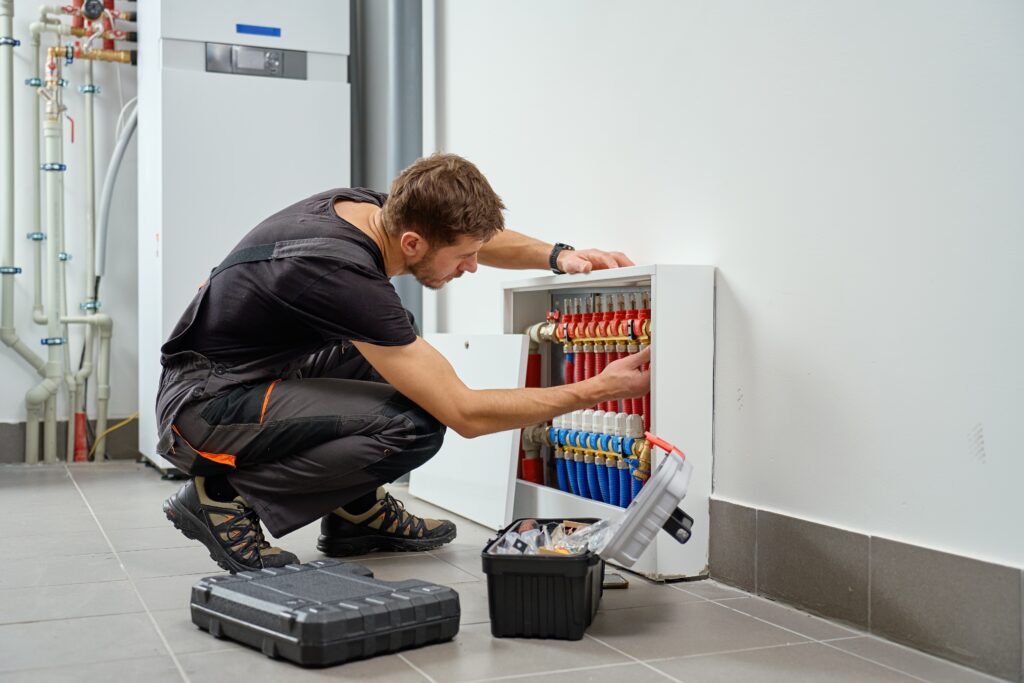
A heating system installation sets the foundation for how comfortably and efficiently a home or building operates for years. Poor planning or rushed decisions during installation can lead to uneven temperatures, higher energy bills, and frequent service calls. Projects related to heating installation in Los Angeles, CA, highlight how climate demands, building layouts, and usage patterns directly influence performance outcomes. Understanding these factors helps property owners make informed choices before installation begins.
Heating performance is shaped by more than the equipment itself. Airflow balance, duct condition, system placement, and calibration all influence how effectively heat reaches each space. Insight from Mike Diamond Plumbing & HVAC reflects hands-on experience showing that when these elements are addressed together, heating systems operate more consistently and respond better to daily comfort demands.
Factors That Impact Heating Installation Results
1. Proper System Sizing and Load Calculations
System size plays a major role in heating performance. Units that are too large cycle on and off frequently, while undersized systems struggle to maintain desired temperatures. Accurate load calculations account for square footage, insulation levels, window placement, and local climate conditions.
Correct sizing improves comfort and reduces unnecessary strain on components. It also supports steady heat delivery rather than sudden temperature swings. Proper sizing decisions made during installation help extend system lifespan and reduce long-term operating costs.
2. Ductwork Design and Airflow Distribution
Even the best heating system performs poorly if airflow is restricted or uneven. Duct design influences how warm air reaches different rooms. Poorly sealed or undersized ducts cause heat loss and inconsistent room temperatures.
Balanced airflow supports even heat distribution throughout the building. During installation, technicians evaluate duct layout, connections, and return air paths. Addressing these factors reduces reliance on heating repair in Los Angeles, CA, caused by airflow-related issues.
3. Equipment Placement and Vent Positioning
Where heating equipment and vents are placed affects system efficiency. Furnaces and air handlers need sufficient clearance and proper ventilation to function effectively. Vents positioned behind furniture or in poorly chosen locations reduce heat circulation.
Thoughtful placement allows warm air to move freely and reach occupied areas. It also improves thermostat accuracy by preventing false temperature readings. Strategic equipment and vent placement support smoother daily operation and consistent comfort.
4. Electrical and Control System Setup
Heating systems rely on electrical connections, control boards, and thermostats to operate correctly. Loose wiring or outdated controls can disrupt system communication. Improper setup may lead to delayed startup, short cycling, or uneven heating patterns.
Modern controls allow better temperature regulation and system response. During installation, technicians verify electrical connections and program controls to match usage needs. These steps reduce performance issues and minimize the need for frequent adjustments.
5. Initial Calibration and Post-Installation Adjustments
Calibration is a critical final step that directly impacts performance outcomes. Burners, fans, and thermostats must be adjusted to work together efficiently. Skipping this process often leads to temperature imbalance and excess energy use.
Post-installation checks allow technicians to fine-tune airflow and system response. Follow-up adjustments combined with a heating tune-up in Los Angeles, CA, help maintain consistent performance over time. Proper calibration turns a new installation into a dependable heating solution.
Conclusion:
Heating system installation performance depends on more than selecting the right equipment. System sizing, ductwork, placement, electrical setup, and calibration all play vital roles in long-term results. When these factors are addressed together, heating systems deliver steady comfort and efficient operation. Poor installation decisions often lead to avoidable service issues and higher costs. Careful planning and technical attention during installation support reliable heating performance for years.
FAQs:
1. What affects heating system performance after installation?
System sizing, ductwork quality, airflow balance, and proper calibration all influence how well a heating system performs after installation.
2. Can poor installation lead to frequent heating service?
Yes, incorrect sizing, airflow problems, or control issues often result in repeated repairs and uneven heating performance.
CTA:
Improve heating performance with Mike Diamond Plumbing & HVAC. Call us at 1-800-446-6453 to work with industry-trained experts and top-rated professionals focused on reliable installation outcomes and long-term comfort.