

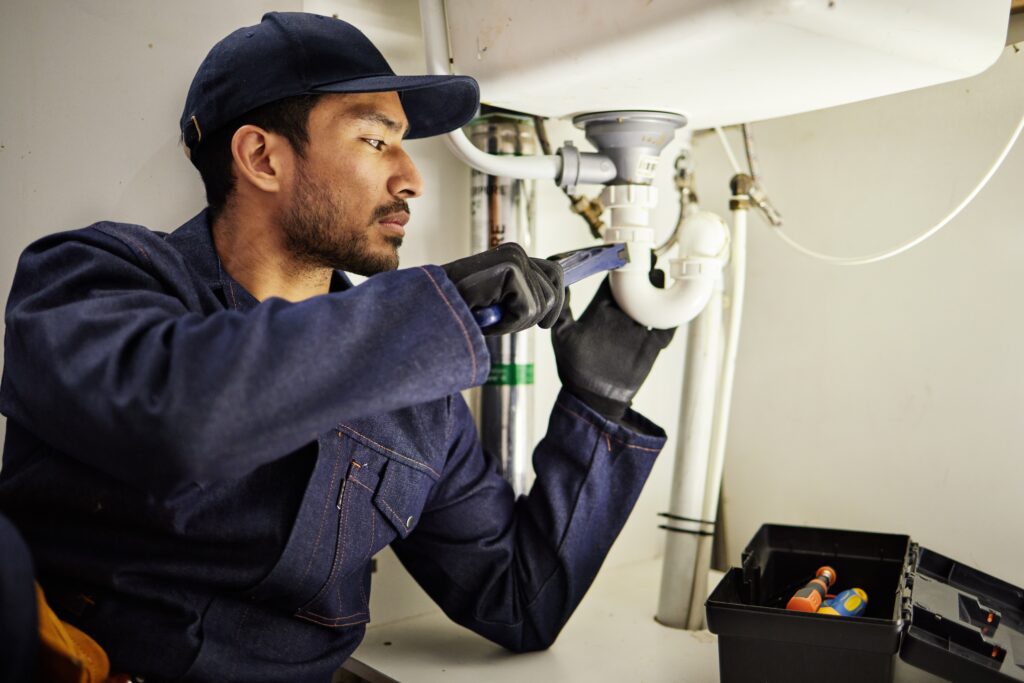
Wastewater systems rely on consistent flow to move waste safely away from homes and commercial properties. When underground pipes crack, shift, or corrode, flow becomes restricted, leading to backups and recurring drainage problems. Trenchless plumbing in Los Angeles, CA, offers a modern approach that addresses these issues without extensive excavation. This method focuses on restoring pipe structure from the inside, allowing wastewater to travel smoothly through damaged sections.
Older properties and high-use buildings often experience recurring drainage issues due to aging sewer lines. Traditional repair methods can disrupt landscaping and surfaces, while trenchless solutions focus on efficiency and long-term performance. Insight from Mike Diamond Plumbing & HVAC reflects practical experience demonstrating how this approach supports steady wastewater flow while minimizing disruption to surrounding areas.
Trenchless Plumbing Boosts Wastewater Flow
1. Restoring Pipe Shape and Structural Integrity
Over time, sewer pipes can deform due to soil pressure, root intrusion, or corrosion. These structural changes disrupt wastewater flow by creating low spots and rough surfaces inside the pipe. Waste materials tend to collect at these points, increasing the risk of clogs.
Trenchless methods restore the original shape of the pipe by reinforcing it internally. Smooth interior surfaces allow waste to move freely without snagging on cracks or joints. This structural correction ensures consistent wastewater flow throughout the system.
2. Reducing Recurring Blockages
Recurring clogs often indicate deeper pipe issues rather than surface debris. Cracks and misaligned joints create entry points for roots and sediment. Over time, these intrusions restrict flow and lead to frequent backups.
Trenchless repairs seal these vulnerabilities from within the pipe. By closing gaps and smoothing interior walls, blockages are less likely to form. This approach reduces reliance on repeated sewer and drain cleaning in Los Angeles, CA, caused by structural problems.
3. Supporting Long-Term Drainage Performance
Traditional pipe repairs may address only a small damaged section. Adjacent areas often remain weak, which can lead to future issues. In contrast, trenchless solutions typically reinforce longer pipe segments.
This reinforcement improves overall pipe durability and flow consistency. Wastewater travels through a continuous, smooth channel rather than over uneven surfaces. Supporting long-term drainage performance reduces maintenance needs and improves system reliability.
4. Minimizing Disruption While Improving Flow
Excavation-based repairs can disturb soil alignment around pipes. Shifting soil may place additional stress on surrounding sections, impacting flow. Surface damage can also affect property drainage patterns.
Underground pipe restoration minimizes ground disturbance and preserves soil stability. Maintaining proper alignment helps maintain a consistent pipe slope, which is essential for wastewater flow. Less disruption helps protect surrounding infrastructure while improving flow efficiency.
5. Reducing Emergency Plumbing Situations
Sewer line failures often escalate into emergencies when wastewater backs up into buildings. Sudden pipe collapse or severe blockages require immediate response. These incidents disrupt daily operations and can cause property damage.
By addressing pipe issues before they collapse, trenchless solutions reduce the need for emergency plumbing services in Los Angeles, CA. Stable pipes support predictable flow, lowering the risk of sudden failures. Preventive repair improves system dependability and safety.
Conclusion:
Non-invasive pipe repair plays a significant role in supporting efficient wastewater flow. Restoring pipe structure, sealing defects, and reducing blockages improve overall drainage performance. Minimal disruption preserves surrounding soil and infrastructure while supporting proper pipe alignment. These benefits contribute to fewer emergencies and lower maintenance demands. For properties facing recurring wastewater issues, trenchless methods offer a practical and effective solution.
FAQs:
1. How does trenchless service improve wastewater flow?
It restores pipe shape and seals internal damage, allowing waste to flow smoothly through reinforced channels without catching on cracks or debris.
2. Is the trenchless method effective for older sewer lines?
Yes, trenchless methods are commonly used to repair aging pipes by reinforcing them internally while maintaining existing layouts and flow paths.
CTA:
Restore wastewater flow with Mike Diamond Plumbing & HVAC. Call us at 1-800-446-6453 for expertly handled trenchless solutions and dependable results that support long-term drainage performance without major disruption.